

Vaastu Shastra is a traditional Indian system of design principles that many plot and home buyers in Tamil Nadu weigh alongside location, budget and legal approvals. It covers plot direction, entrance placement and how rooms are arranged inside a home. It does not override DTCP approval, a clean title or sound construction, but many buyers still treat it as one factor when choosing a plot.
Quick Overview
- What it is: a traditional Indian design system linking a building’s direction and layout to residents’ wellbeing.
- Who considers it: many home and plot buyers in Tamil Nadu, often as a family preference.
- Why it matters: it can influence which plot or layout a buyer prefers, and is easiest to plan for early.
- Good to know: Vaastu is a belief system, not an engineering standard, and should never come ahead of DTCP approval or structural safety.
What is Vaastu Shastra and why do buyers consider it?
Vaastu Shastra is a traditional Indian system of architectural guidelines, developed over centuries, linking a building’s placement and layout to the wellbeing of the people living in it. For plot buyers, it mostly concerns which direction a plot faces and where the entrance sits. For homeowners, it extends to how rooms are arranged inside the house. It is a belief system rather than an engineering standard, so it works alongside structural safety and legal compliance, not in place of them.
What Vaastu principles matter most when choosing a plot?

When choosing a plot, buyers who follow Vaastu commonly look at a handful of factors. Facing matters most, with east and north facing plots often preferred for morning sunlight. Shape matters too, with a regular square or rectangle preferred over an irregular plot. Road position, land slope and nearby water direction are also commonly considered. None of this affects whether a plot is legally sound, so it sits alongside, not instead of, checks like DTCP approval and a clear title.
Q: Is an east-facing or north-facing plot always better? Not always. Direction is one of several factors traditional Vaastu considers, alongside shape, road position and slope. A well-shaped plot with clean legal paperwork is generally a stronger buy than an east-facing plot with unresolved title or approval issues.
How can you build a Vaastu-compliant home once you own the plot?
Once you own a plot, applying Vaastu to the build is a design decision made with your architect or builder, not a separate approval process. Buyers can work with B&B Builders and Developers, B&B’s construction arm, to plan a villa around Vaastu-informed room placement, or bring in a builder of their own choice with the same brief. Either way, this is easiest to act on early, since retrofitting a finished layout is far more limited. Our guide on starting your first villa build covers the broader planning process.
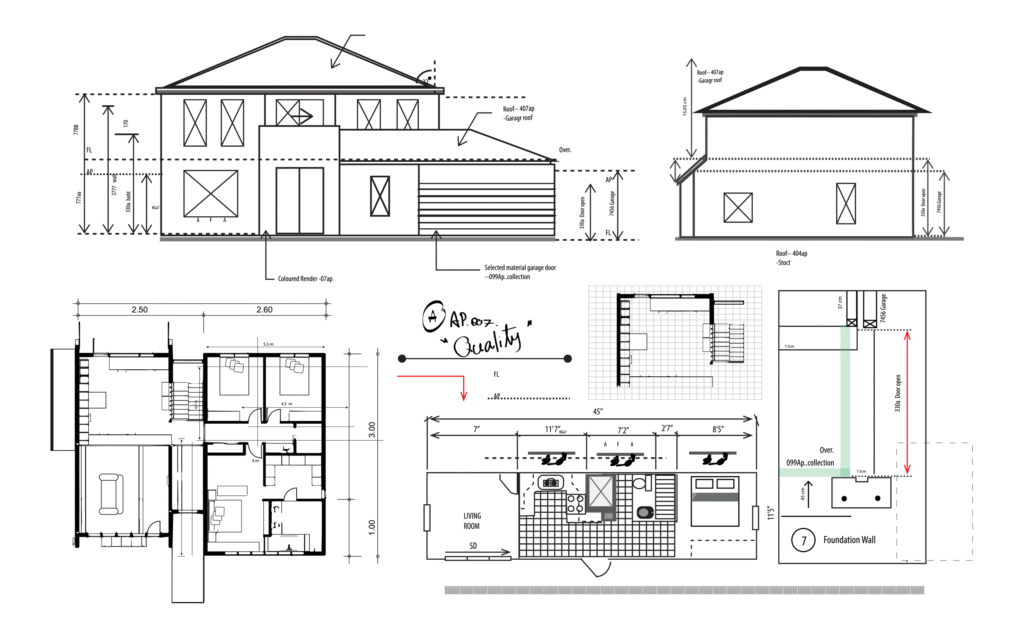
Common starting points architects work from:
| Room or zone | Traditionally preferred direction |
| Main entrance | North, east or north-east |
| Kitchen | South-east |
| Master bedroom | South-west |
| Study or workspace | North-east or east |
| Water storage or borewell | North-east |
This is commonly cited guidance, not a fixed rule, and a good architect will balance it against practical constraints like light, ventilation and the plot’s actual dimensions.
Q: Can an existing home or apartment be adjusted for Vaastu? To a limited extent. Furniture placement and minor layout changes can shift alignment closer to traditional guidance, but structural elements like entrance position or a load-bearing wall are far harder to change after construction, which is why planning early matters more than adjusting later.
Which B&B Properties projects suit Vaastu-conscious buyers?
Several ongoing B&B Properties developments suit buyers who want to plan a Vaastu-informed build from the plot stage. Windchimes Plots in Nandiyalam is a DTCP approved layout where you buy the land and build to your own design, including with B&B Builders and Developers if you choose. West End Villas and Mayflower Enclave offer a similar plot-and-build format elsewhere in Vellore. For a finished home instead, Windchimes Apartments lets you choose a unit and floor from the layouts on offer, the practical equivalent of a facing preference in an apartment.
Should Vaastu override other buying priorities like DTCP approval and location?
Vaastu is worth factoring in, but it should not come ahead of the checks that determine whether a property is safe to buy. A plot with a preferred facing but no DTCP approval, an unclear title, or unresolved patta transfer is a bigger risk than a plot facing a less preferred direction with clean paperwork. Most buyers who care about Vaastu treat it as a tie-breaker between properties that have already passed the legal checks, not a reason to skip them.
In Summary
Vaastu Shastra is a traditional design system that many plot and home buyers in Tamil Nadu consider alongside location and budget. At the plot stage, it mostly concerns facing, shape and road position. At the build stage, it concerns room layout, easiest to plan from the start with your architect or builder. Treat it as one input among several, never ahead of DTCP approval, a clean title and sound construction.
Frequently Asked Questions About Vaastu for Homes and Home Buyers
1. Does the direction a plot faces matter more than anything else?
Direction is a starting point, not the only factor. A well-built, legally clean plot with a workable shape often matters more day-to-day than facing alone. Most buyers who follow Vaastu treat direction as one of several checks, alongside DTCP approval and clear title documents.
2. Can a house be designed to follow Vaastu from the start?
Yes, within reason. An architect can adjust room placement, entrance position and internal layout to follow Vaastu guidance while meeting structural and building code requirements. This works well when raised at the design stage, before foundation work begins.
3. Can B&B help build a Vaastu-informed home on a plot I buy?
Yes. B&B Builders and Developers can plan a villa around Vaastu-informed room placement on plots such as Windchimes, West End Villas or Mayflower Enclave. Buyers are also free to bring in an architect or builder of their own choice with the same brief.
4. Is Vaastu compliance a legal requirement for property in Tamil Nadu?
No. DTCP approval, RERA registration and patta transfer do not depend on a property’s Vaastu alignment. It remains a personal or family preference some buyers weigh alongside the legal and practical checks, not a regulatory requirement.
5. Is Vaastu scientifically proven to affect wellbeing?
Vaastu is a traditional belief system passed down over generations, not an engineering or scientific standard, so its guidance is not universally agreed on even among practitioners. Treat it as a personal or cultural preference, not a substitute for structural or legal due diligence.
Planning a Vaastu-informed build on your own plot? Explore Windchimes Plots, West End Villas and Mayflower Enclave, or contact the B&B team to discuss building with B&B Builders and Developers or an architect of your choice.
Disclaimer: This article is for general information only and reflects traditional Vaastu guidance, not an engineering, legal or scientific standard. Guidance varies between practitioners and families. Always prioritise DTCP approval, clear title and qualified structural advice, and consult a Vaastu practitioner or architect for guidance specific to your plot.