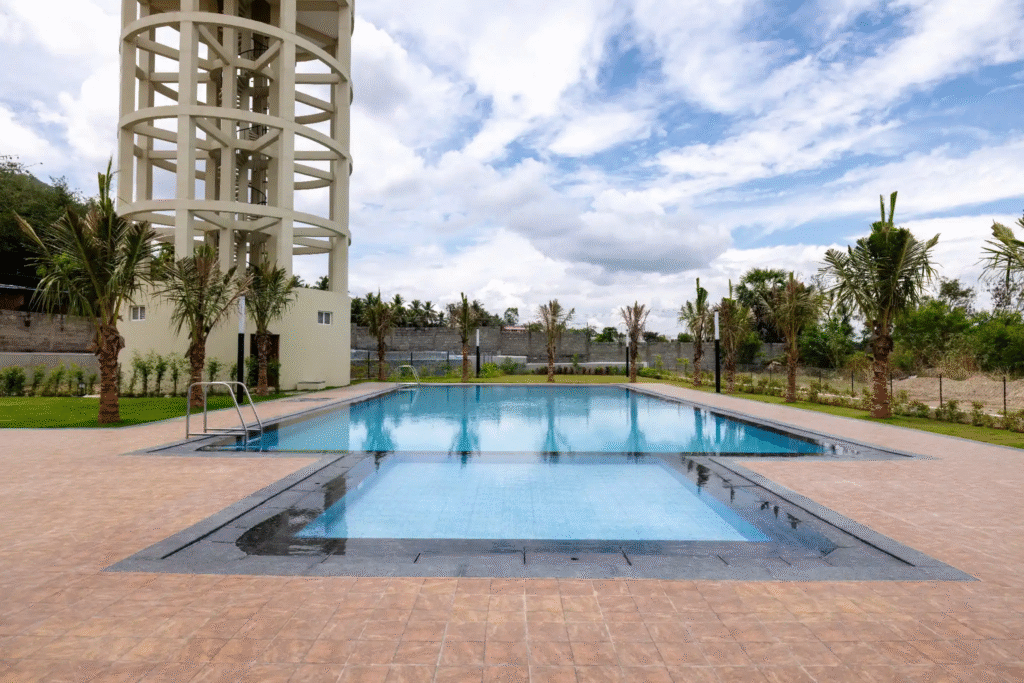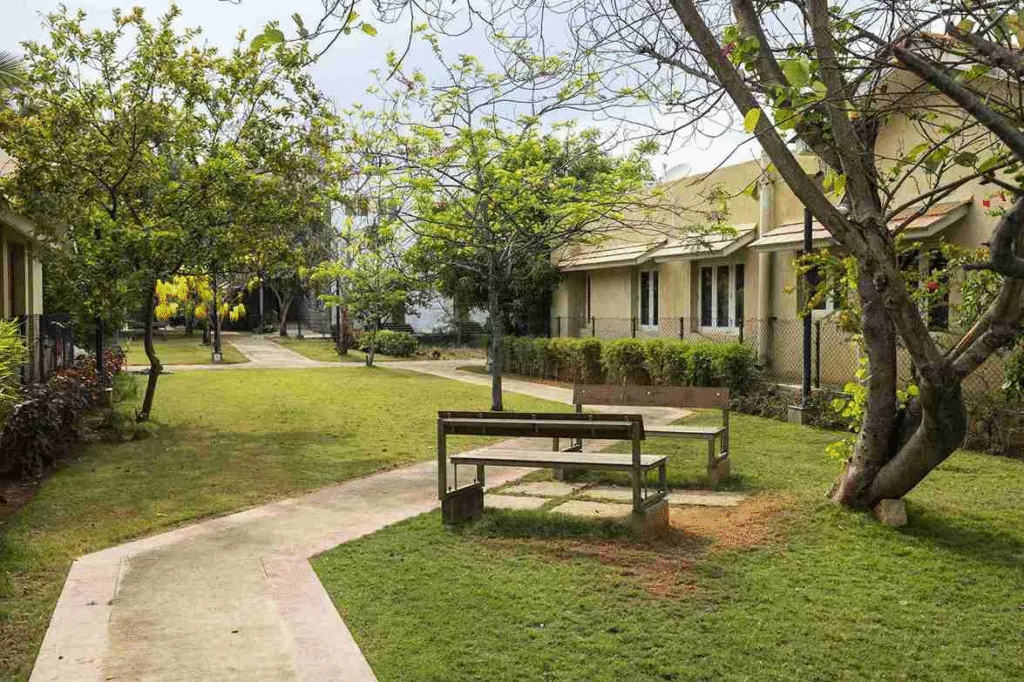


What is residential property?
Simply put, residential property refers to real estate designed for people to live in, whether it’s an independent house, villa, apartment, or plot meant for building a home. In India, residential property is governed by specific zoning laws, stamp duty rates, and tax benefits that differ significantly from commercial real estate.
Understanding the difference between residential and commercial property is crucial before you invest. Whether you’re a first-time homebuyer, an NRI looking to invest in Tamil Nadu, or a business owner wondering “can a business buy a residential property?”, this guide has you covered.
At B&B Properties, we specialise in DTCP & RERA-approved residential projects such as Windchimes Villas in Vellore-Ranipet. Let’s break down everything you need to know.
What is Residential Property? Definition & Types
Residential property is real estate intended for dwelling purposes. It includes:
· Independent Houses/Villas – Standalone homes like Windchimes Villas
· Apartments/Flats – Multi-story residential buildings (2BHK, 3BHK)
· Plots – Land approved for residential construction
· Gated Communities – Managed villa/apartment complexes
· Row Houses – Attached homes with shared walls
Key Characteristics:
- Zoning: Residential zones only (DTCP/CMDA/Panchayat approvals)
- Purpose: Living, not business operations
- Stamp Duty: 7% (6% for women) in Tamil Nadu
- Home Loans: Easier approval, lower interest rates (7-8%)
- Tax Benefits: Section 80C, 24(b) deductions
Residential vs Commercial Property: Key Differences
| Aspect | Residential Property | Commercial Property |
| Purpose | Living/dwelling | Business/income generation |
| Examples | Villas, apartments, plots | Shops, offices, warehouses |
| Stamp Duty (TN) | 7% (6% for women) | 7% (no gender discount) |
| Loan Interest | 7-8% | 9-12% |
| Rental Yield | 2-4% | 5-8% |
| Appreciation | 10-15% annually | 8-12% annually |
| Tax Benefits | ₹2L deduction (interest) | Depreciation, business expense |
| Zoning | Residential-only zones | Commercial/mixed-use zones |
| ROI Timeline | 8-12 years | 5-10 years |
Kindly check the Government websites for the current updated rates.
Residential property offers better tax benefits, easier financing, and stable long-term appreciation, ideal for homebuyers and conservative investors. Commercial property delivers higher rental yields but requires larger capital and carries higher risk.
Can a Business Buy a Residential Property?
Yes, but with restrictions:
Permitted:
- Companies/LLPs can buy residential property for employee housing (guest houses, staff quarters)
- Directors/partners can purchase in personal capacity
- Trusts/NGOs can buy for charitable purposes
Not Permitted:
- Cannot run commercial operations (office, shop, warehouse) in residential zones
- Cannot claim GST input credit on residential purchases
- Zoning violations attract penalties under DTCP/CMDA regulations
Example: Tata Motors can buy villas near their Ranipet plant for senior executives, but cannot convert them into offices.
If you’re a business owner, buy residential property in your personal name for tax benefits under Section 24(b). Use company funds to buy commercial property in industrial zones like Ranipet SIPCOT.
How to Convert Residential Property to Commercial
Can you convert residential to commercial? Yes, but it’s complex.
Conversion Process in Tamil Nadu:
Step 1: Check Zoning
- Only properties in mixed-use or commercial zones can be converted
- Pure residential zones (like Windchimes Villas) cannot be converted
Step 2: Obtain DTCP/CMDA Approval
- Submit application with building plans
- Pay conversion charges (30-50% of property value)
- Secure No Objection Certificate (NOC) from neighbours
Step 3: Structural Modifications
- May require fire safety, parking, accessibility upgrades
- Architect certification needed
Step 4: New Registration
- Pay differential stamp duty (if applicable)
- Update property records at Sub-Registrar office
Time & Cost:
- Process: 6-18 months
- Conversion charges: ₹10-20 lakh (for a ₹40 lakh property)
- Legal/architect fees: ₹2-5 lakh
Conversion is expensive and time-consuming. If you need commercial space, buy dedicated commercial property from the start.
Why Residential Property is Better for Most Investors
1. Tax Benefits
- Section 24(b): Deduct ₹2 lakh on home loan interest
- Section 80C: Deduct ₹1.5 lakh on principal repayment
- Section 80EEA: Extra ₹1.5 lakh for first-time buyers (affordable housing)
2. Easier Financing
- Home loan approval in 7-15 days
- Lower interest rates (7-8% vs 9-12% commercial)
- Up to 90% LTV (Loan-to-Value) ratio
3. Stable Appreciation
- Residential property in Vellore-Ranipet has appreciated annually
- Proximity to Jaguar Land Rover plant (₹9,000 crore investment) will boost values
4. Lower Risk
- Demand is constant (everyone needs a home)
- Less impacted by economic downturns than commercial property
5. Retirement & Legacy Asset
- Can live in it post-retirement
- Easy to pass to next generation
At B&B Properties, we offer DTCP & RERA-approved residential villas and plots designed for:
· IT/Manufacturing Professionals – Near JLR Panapakkam (8 km)
· NRIs – POA support, FEMA-compliant, 100% legal clarity
· Investors – 12-18% annual appreciation, 8-10% rental yields
· Families – Gated security, clubhouse, managed community
Windchimes Villas, Nandiyalam, Vellore
Type: DTCP & RERA-approved residential villas
Location: NH48 Bangalore to Chennai – Just 500 M, Apollo Hospital – 1.79 KM, Melvisharam – 2.17 KM, CMC Ranipet Campus, Kannigapuram – 4 KM
Amenities: 24/7 security, clubhouse, gym, EV charging, rainwater harvesting
B&B Properties makes residential investing simple with DTCP+RERA-approved projects, and NRI-friendly services.
Check out our ongoing projects
Plots, villas and apartments across Vellore and Ranipet.
Ongoing ProjectsFrequently Asked Questions
What is residential property?
Residential property is land or a building meant for people to live in. It includes independent houses, villas, apartments, row houses and plots approved for building a home. In Tamil Nadu, a residential layout needs approval from DTCP, CMDA or the local body. The building can only be used as a home, not to run a business.
What is the difference between residential and commercial property?
The main difference is how the property is used. Residential property is for living in. Commercial property, such as shops, offices and warehouses, is for business. Each sits in its own zone under the local master plan. Homes usually qualify for cheaper loans and personal tax deductions. Commercial property tends to earn higher rent but needs more capital and carries more risk.
Can a company buy residential property in India?
Yes. A company, LLP or trust can buy residential property, usually for staff housing, a guest house or charitable use. If the land is zoned residential, the property cannot be used as an office, shop or warehouse. Home loan tax deductions meant for individuals don’t apply to companies, so many business owners buy homes in their own name.
Can I convert a residential property to commercial use in Tamil Nadu?
Only if the master plan allows it. You apply to DTCP or CMDA for a change of land use, which is now done online through the OnlinePPA portal. The proposal is published for public objections and, if approved, notified in the Government Gazette. Plots inside an approved residential layout are rarely converted. If you need commercial space, buy commercial property.
What are the stamp duty and registration charges for residential property in Tamil Nadu?
Tamil Nadu charges 7% stamp duty and a 4% registration fee on the guideline value or the sale price, whichever is higher. Most buyers pay about 11% in total. Women get no stamp duty discount. Since April 2025, women buying property worth up to Rs. 10 lakh pay a 3% registration fee. Check current rates on TNREGINET before you register.
What tax benefits can I get on a home loan?
Under the old tax regime, you can deduct up to Rs. 2 lakh a year of interest on a loan for a home you live in. You can also deduct up to Rs. 1.5 lakh of principal repayment. The new tax regime is now the default, and it does not allow either deduction for a self-occupied home. The section numbers changed when the Income-tax Act, 2025 took effect, so check with a tax adviser.